Kartal Soğanlık Root Canal TreatmentHealthy Teeth
Endodontics specializes in treating the inner aspects of teeth, focusing primarily on the pulp, which houses nerves, blood vessels, and connective tissues. This treatment saves your tooth in cases of pulp inflammation caused by decay, injury, or extensive dental procedures.
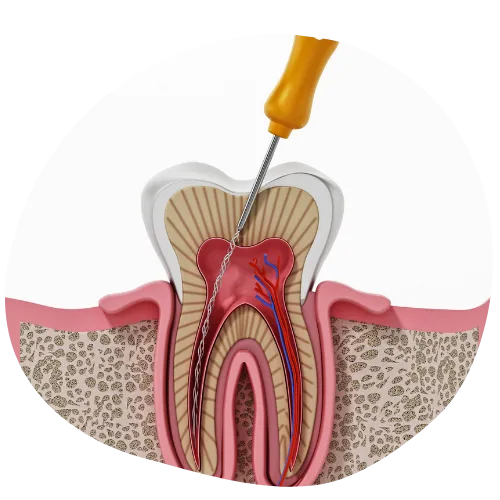
Root Canal Treatment
Information About Root Canal Treatment
Endodontists' Scope
Procedures carried out within the scope of endodontic treatment
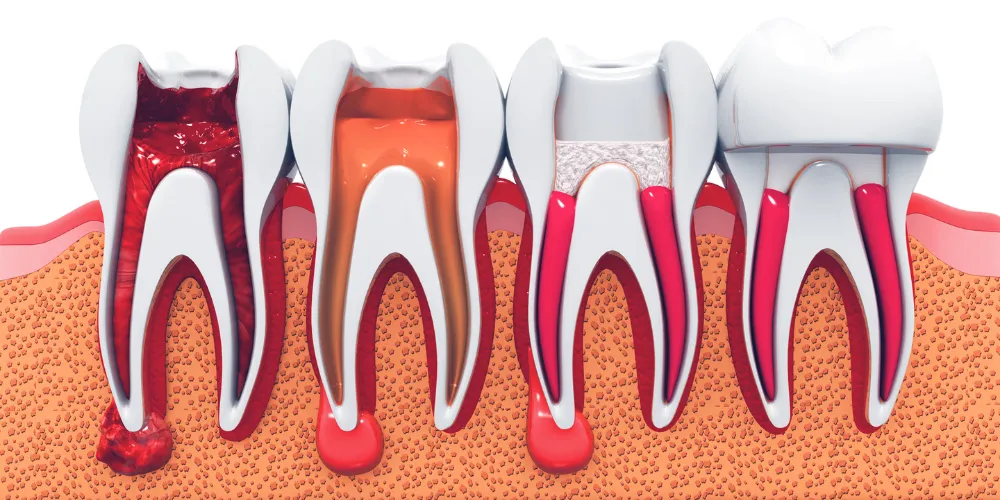
Performing root canal treatments: Removing damaged pulp, sterilizing the tooth, and filling it
Addressing complex dental issues: Treatment of internal tooth resorption, treatment of cracked teeth
Revisiting failed root canals: Retreatment procedures
Applying surgical interventions: Apical surgery, root-end resection
Endodontic Consultation Indications
If you are experiencing ongoing tooth pain, sensitivity, swelling near a tooth, or discomfort while chewing, you may be advised to consult an endodontist for a comprehensive evaluation and potential treatment. Additionally, your regular dentist may recommend an endodontic consultation if they detect issues in the inner structure of the tooth.
Advantages of Endodontic Treatment
Aspects considered within root canal treatment
Preservation of natural teeth: The primary goal is to preserve your natural teeth, which surpass all prosthetic alternatives in terms of functionality and aesthetic appeal.
After the procedure: The treatment is carried out under local anaesthesia; any sensitivity afterwards is managed according to the dentist's instructions.
Protection of overall oral health: In patients who have had teeth extracted, neighboring teeth can shift and disrupt chewing function.
Functional return: After a well-treated root canal, the tooth returns to normal function, with full chewing ability typically restored within a few days.
Cosmetic integrity: With the preservation of the natural tooth, patients can continue to maintain their cosmetic appearance, smiling confidently.
Who Is It Suitable For?
Root canal treatment is generally suitable for:
Those with deep cavities
Those experiencing tooth fractures
Those needing repeated dental procedures
Those who have experienced dental trauma
Those suffering from prolonged tooth pain
Those experiencing tooth sensitivity
Frequently Asked Questions
Is root canal treatment painful?
Root canal treatment is performed under local anaesthesia; as the area is numbed, pain is generally not felt during the procedure. There may be mild sensitivity for a few days after treatment, but this can usually be easily managed with prescription or over-the-counter pain relievers.
Does a tooth lose its vitality after root canal treatment?
Yes, since root canal treatment removes the pulp of the tooth, the nerves and blood vessels are removed, and the tooth is no longer considered vital. However, the tooth still continues to remain attached to the jawbone and maintain its function. Treated teeth are usually recommended to have a crown placed for additional support and protection.
How long does a root canal treatment take?
A root canal treatment typically takes one or two sessions, with each session ranging from approximately 60-90 minutes. The number of sessions required depends on factors such as the location of the tooth being treated, the complexity of the root canals, and the presence of infection.
How long after root canal treatment can I eat?
You can eat once the anesthesia in your mouth has worn off, which is usually within a few hours after the appointment. It is advised to avoid hard or sticky foods on that side until the treated tooth has fully healed and been restored with a permanent filling or crown.
Could extracting the tooth be a better option than root canal treatment?
When possible, root canal treatment is preferred over tooth extraction. Preserving the natural tooth is assessed as a priority in treatment planning. Extraction leaves a gap that requires replacement (with an implant, bridge, or denture) and can cause neighboring teeth to shift. However, if the tooth is severely damaged or has a poor prognosis, extraction may be necessary.
Smile with Health Every Day!
Start your day with a smile: Make an appointment to meet our dentists in oral, dental, and maxillofacial surgery.
Make an AppointmentThe content on this website has been prepared for general information purposes only; it does not replace diagnosis or treatment and does not constitute advertising. Please consult a dentist for your complaints.
Not every treatment is suitable for every patient. The suitability of a treatment, its duration and possible risks are assessed by the dentist following an examination and any necessary imaging.
In every surgical or interventional procedure, results may vary from person to person.
- Content prepared and reviewed by: Harun Atay, DDS (Dentist)
- Health institution: Özel Klinik Akademi Ağız ve Diş Sağlığı Polikliniği
- Last updated: 24.08.2026