Kartal Soğanlık Prosthetic TreatmentDental Prosthetics
Information about fixed, removable and implant-supported prosthesis options. Which type of prosthesis is suitable is determined following the examination.
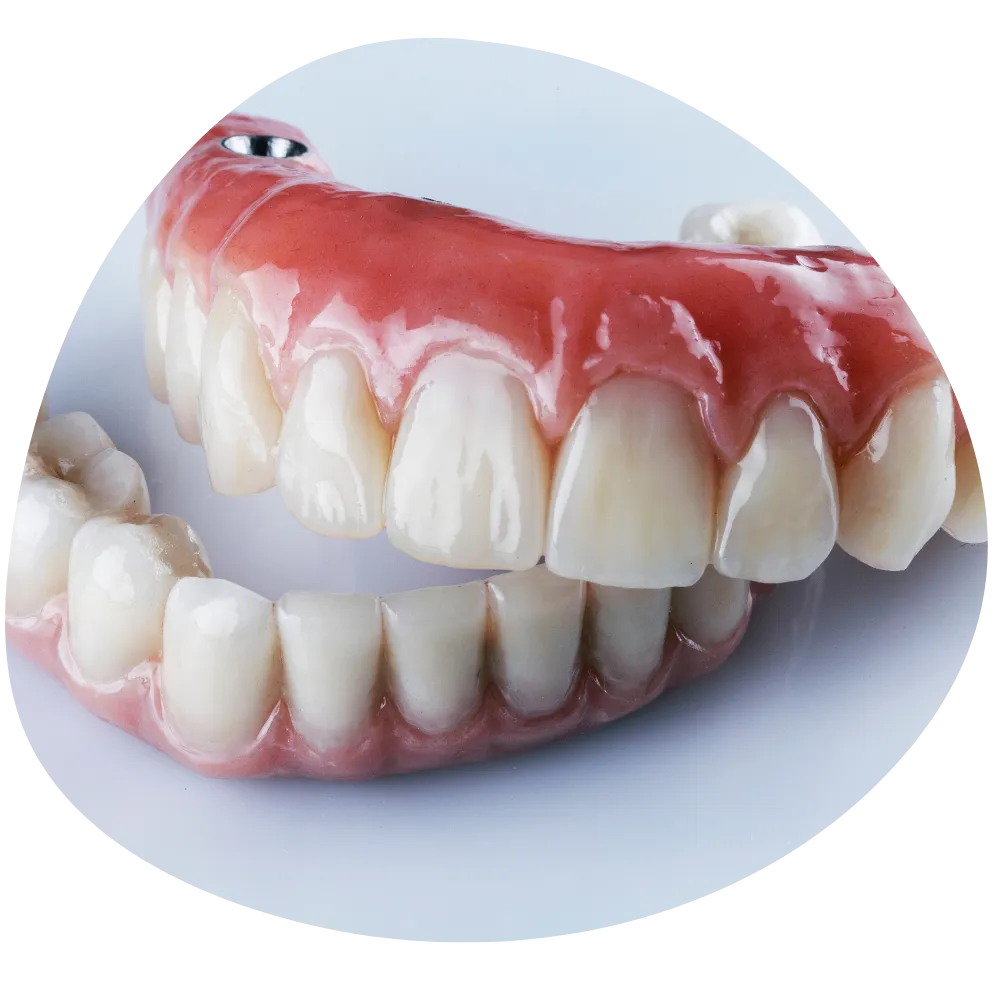
Prosthetic Treatment
Safe and Natural-Looking Prosthetic Treatment
Applied at Our Clinic Prosthetic Treatment
Dental prostheses are treatment methods that restore chewing function and aesthetic appearance by replacing missing teeth. Prostheses help to restore function and appearance; the outcome varies depending on the individual case.
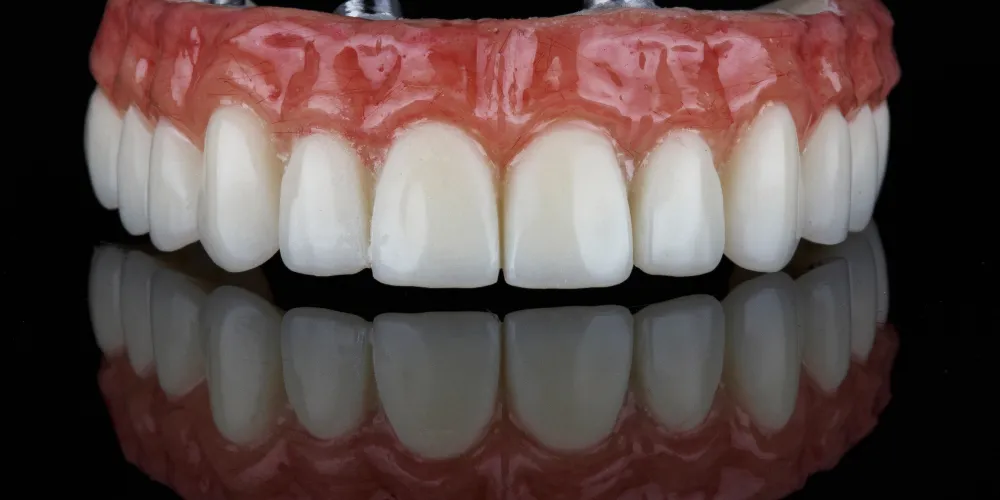
Fixed prostheses: Natural-looking crowns with zirconium and porcelain
Removable prostheses: Complete and partial dentures for missing teeth
Implant-supported prostheses: Fixed or removable prostheses based on implants
Laminate veneers: Thin porcelain coverings applied to the front surface of teeth
Temporary prostheses: Protective prostheses used between treatment processes
Digital smile design: Computer-assisted aesthetic dental prostheses
Advantages of Prosthetic Treatment
Aspects considered within prosthetic treatment
Restoration of chewing function: Prostheses eliminate chewing difficulties caused by missing teeth.
Preservation of facial aesthetics: Missing teeth can cause changes in facial structure, prostheses prevent this change.
Improvement of speech function: Missing teeth can cause speech problems, prostheses solve these problems.
Protection of adjacent teeth: Prostheses prevent other teeth from shifting and becoming crooked.
Increased self-confidence: Aesthetic appearance provides increased self-confidence in social life.
Who Is It Suitable For?
Prosthetic treatment is generally suitable for the following conditions:
Those with one or more missing teeth
Those with severely worn teeth
Those who want to improve their aesthetic appearance
Those experiencing problems with chewing functions
Patients experiencing speech disorders
Those who need superstructure after implant treatment
Frequently Asked Questions
What is the lifespan of prostheses?
The lifespan of prostheses varies depending on the material, maintenance, and the person's oral hygiene. Fixed prostheses (crowns and bridges) can last 10-15 years with proper care, zirconium crowns 15-20 years, and removable prostheses an average of 5-7 years. These periods can be extended with regular dental check-ups and proper care.
How long does it take to get used to using a prosthesis?
The adaptation process to prosthesis use varies from person to person. While fixed prostheses are usually adapted to within a few days, it may take 2-4 weeks to get used to removable prostheses. During this process, functions such as speaking and chewing may need to be reorganized. Following your dentist's recommendations will speed up the adaptation process.
How are prostheses maintained?
Fixed prostheses should be brushed regularly and flossed like normal teeth. Removable prostheses should be removed and cleaned after each meal and soaked in special solutions overnight. Regular dental check-ups are important for all types of prostheses. Proper care extends the life of prostheses and maintains oral health.
What is the difference between zirconium and porcelain crowns?
Zirconium crowns are more durable and metal-free, so there is no risk of allergy. Also, their light transmittance is closer to natural teeth. Porcelain crowns have light transmittance close to that of a natural tooth but are more fragile compared to zirconium. Zirconium crowns may be preferred especially for back teeth, while porcelain crowns are more often preferred for front teeth. The selection is determined by the dentist according to the patient's needs.
Is prosthetic treatment painful?
Local anesthesia is applied when necessary during the prosthetic treatment process, so pain is not felt during the procedure. Mild sensitivity may occur after the procedure, but this usually passes within a few days. In removable prostheses, pressure may be felt in some areas during the adaptation process, in which case your dentist will make the necessary adjustments.
Smile with Health Every Day!
Start your day with a smile: Make an appointment to meet our dentists in oral, dental, and maxillofacial surgery.
Make an AppointmentThe content on this website has been prepared for general information purposes only; it does not replace diagnosis or treatment and does not constitute advertising. Please consult a dentist for your complaints.
Not every treatment is suitable for every patient. The suitability of a treatment, its duration and possible risks are assessed by the dentist following an examination and any necessary imaging.
In every surgical or interventional procedure, results may vary from person to person.
- Content prepared and reviewed by: Harun Atay, DDS (Dentist)
- Health institution: Özel Klinik Akademi Ağız ve Diş Sağlığı Polikliniği
- Last updated: 24.08.2026