Kartal Soğanlık Dental ImplantsDental Implantology
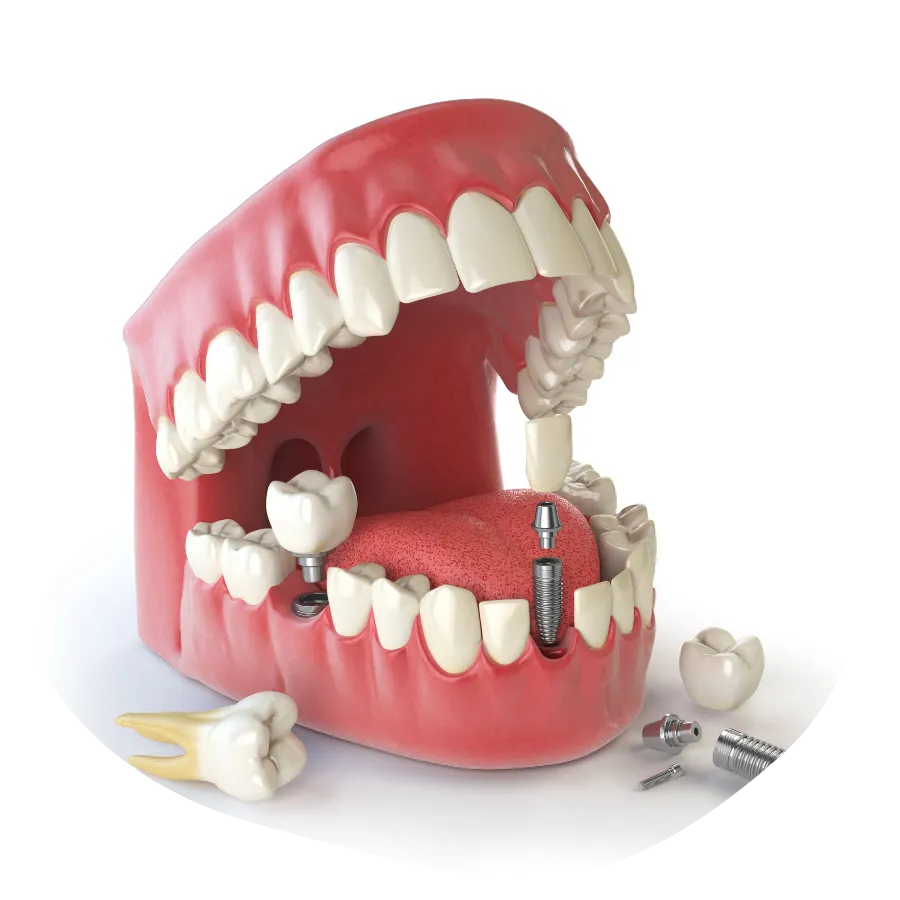
A dental implant is a titanium-based medical device placed in the jawbone to take over the function of a natural tooth root. Suitability is determined by an examination.
Dental Implantology
Information About Implant Treatment
Surgical Treatment Scope
Think of dental implants as artificial tooth roots. Made from biocompatible materials like titanium, these materials are surgically placed into your jawbone to naturally fuse. Once fusion is complete, the implant is used to support a crown, bridge or denture.
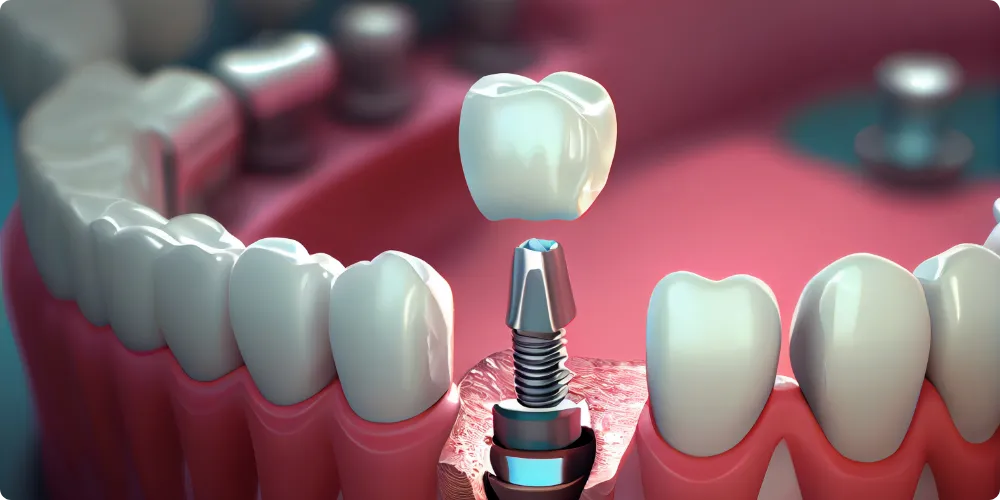
Dental implants offering a natural appearance and function for missing teeth
Correction of irregularities affecting facial balance, biting, and breathing
Reconstructive surgeries for facial trauma resulting from accidents or injuries
Diagnosis and treatment of oral diseases, including oral cancers
Surgical repair of cleft lip and palate to improve function and appearance
Interventions for obstructive sleep apnea
Treatment of temporomandibular joint disorders
Reconstructive surgeries
Why Surgical Treatment?
Information about oral, dental and maxillofacial surgery procedures
Creative operations for complex conditions by dentists
Holistic approach to treatment and functional results
Improvements in oral functionality and health
Improvements in facial aesthetics
Increased confidence and quality of life
Who Is It Suitable For?
Who can benefit from dental implant treatment?
Adults of any age (after facial development is complete)
People with good general and oral health
Those with one or more missing teeth
People dissatisfied with dentures or bridges
Those seeking better chewing function and speech
Those concerned about bone loss
Frequently Asked Questions
Find answers to commonly asked questions about implant treatment below
Does implant treatment have a specific duration?
If the bones are not strong enough to carry the implants, bone strengthening treatment is performed by the dentist before the application. However, the actual treatment begins only after this treatment is completed and it is ensured that the patient has bones suitable for implants. It takes 2-4 months for the implant treatment to be completed.
Can implant treatment fail?
When it is detected that the implants placed in the bone have still not fused to the bone despite waiting for 2 to 4 months for osseointegration, it means that the relevant application has failed. The main reason for this problem, also known as implant failure, is that the bones are not strong enough to carry the implant. This should be examined by a dentist before the application, and additional treatments should be applied if deemed necessary.
What is the lifespan of implant application?
Implant teeth are long-lasting like original teeth if maintained regularly and attention is paid to oral hygiene. How long an implant remains in the mouth varies depending on oral hygiene, bone structure and regular check-ups; the same outcome cannot be guaranteed for every patient.
Is there an age limit for implant treatment?
Implants can be applied to anyone who has a missing tooth and whose existing bone structure is suitable for treatment. However, the important criterion here is that the bones have completed their development. Implants applied to developing bones may cause problems after a while, and these implants may need to be replaced. Therefore, the lower limit for implant treatment is 18 years. Implants can be made to anyone who has reached the age of 18.
Is there a special care treatment for implanted teeth?
As with all teeth, cleaning and care are very important for implant teeth. In fact, it can be said that these teeth are a little more important. Implant teeth should be brushed regularly and dental floss should be used if necessary. Gargling can also be done at certain intervals to ensure complete oral hygiene. Substances such as food residue that accumulate around the implant can cause problems such as tartar and gum recession in the long term.
Smile with Health Every Day!
Start your day with a smile: Make an appointment to meet our dentists in oral, dental, and maxillofacial surgery.
Make an AppointmentThe content on this website has been prepared for general information purposes only; it does not replace diagnosis or treatment and does not constitute advertising. Please consult a dentist for your complaints.
Not every treatment is suitable for every patient. The suitability of a treatment, its duration and possible risks are assessed by the dentist following an examination and any necessary imaging.
In every surgical or interventional procedure, results may vary from person to person.
- Content prepared and reviewed by: Harun Atay, DDS (Dentist)
- Health institution: Özel Klinik Akademi Ağız ve Diş Sağlığı Polikliniği
- Last updated: 24.08.2026